JENNIFER A HOUSER
Dietetic Intern and Veggie Enthusiast



CLINICAL NUTRITION
ND 568
The clinical rotation is a critical component of the dietetic internship. This rotation was split into two components: long-term care and acute care. During the entire rotation I was able to utilize my expert knowledge in nutrition therapy to suggest appropriate nutrition recommendations to the interdisciplinary teams.
My long-term care rotation was spent at East Bay Post-Acute center, a 5 star Medicaid-rated 90 bed facility in Castro Valley, CA. It is both a long term care facility and a rehab center, housing both long term and short stay residents. During this time I developed personalized nutrition care plans for patients and residents and completed and familiarized myself with MDS documentation. A large portion of my role at East Bay Post-Acute as a dietetic intern was to communicate effectively with families and the interdisciplinary team, including doctors, nursing, speech therapy, physical therapy and food service staff to achieve patient goals.
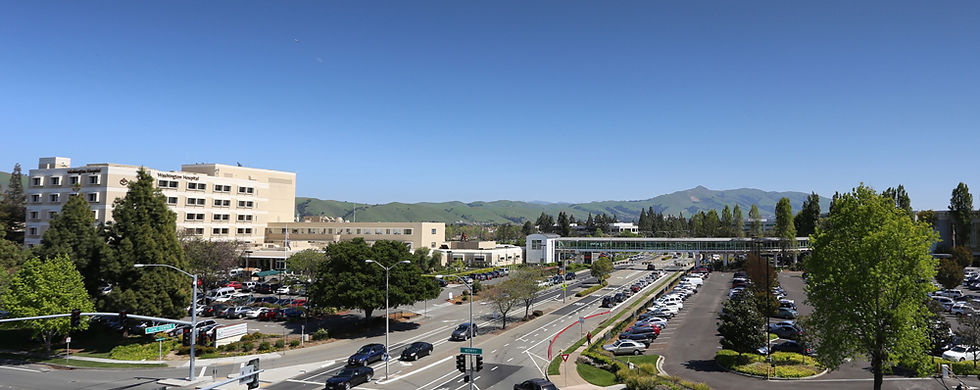
My acute care rotation was spent at Washington Hospital, a 341-bed community hospital in Fremont, CA. Here I provided nutrition assessment and interventions for patients on medical, surgical, oncology, cardiac and critical care units utilizing the Nutrition Care Process and educated patients on dietary modifications and self-management for diabetes, cardiac care, cancer, weight management, and renal diets. In addition, I coordinated a National Nutrition Month campaign for the entire hospital highlighting healthy food options in both retail and patient sectors of the hospital kitchen. At the end of my rotation I completed four weeks of staff relief in oncology, medical, surgical and cardiac units.
 |
|---|
INTRODUCTION
Clinical dietetics involves being able to properly assess patients, make a nutrition diagnosis, and give appropriate recommendations to the primary medical team. During my rotation I was able to strengthen these skills while also educating patients in various environments, including outpatient education, group classes, bedside, and over the phone.
In addition to assessing and educating patients, I conducted health promotion and quality management projects. These projects allowed me to focus on empowering patients and hospital employees to select healthier food choices and to gain more insight into the quality of patient care at Washington Hospital.
ETHICS & PROFESSIONAL DEVELOPMENT
Module 2
As part of my Health Promotion Project, I created a National Nutrition Month campaign highlighting healthy food choices in both patient and hospital sectors of the hospital kitchen. In addition, I created a professional development plan that allowed me to track goals and objectives I created for myself throughout the internship.
NUTRITIONAL SCREENING & ASSESSMENT
Module 3
Effective nutritional screening and assessment is needed in order to deliver quality patient care. I strengthened my skills in this arena by completing documentation using the Nutrition Care Process and developing nutrition diagnoses using PES statement format. In addition, I participated in the development of nutritional care plans for multidisciplinary teams and referred patients to other professional disciplines as needed.
CASE STUDY
Module 4
I completed a case study presentation on a patient with stomach cancer who had a Roux-en-y total gastrectomy with esophagojejunostomy. In my case study presentation, I discuss my assessment of the patient during his admission, my recommendations, his background prior to admission, the anatomical and physiological changes from his surgery and the etiology of his disease.
LONG-TERM CARE & PEDIATRICS
Module 6
I calculated pediatric energy needs using CDC growth charts and completed a pediatric case study.
In addition, during my long-term care rotation, I familiarized myself with Minimum Data Sets, attended inter-professional meetings, developed nutrition care plans, and monitored enteral feeds.
QUALITY MANAGEMENT
Module 7
I conducted a quality management project that focused on enteral feedings of patients in the ICU and compared the recommendations given to the ASPEN Critical Care Guidelines. I focused on appropriateness of type of enteral feed selected and timing delivery of the enteral formula. In addition, I also attended several committee meetings.
CHOICE
ND 500
I spent over 80 hours in my Choice rotation. Here I spent time shadowing the Food Service Director and the dietitians at the outpatient Diabetes Education center. Here I learned about the many roles the FSD plays among the hospital staff and the interactions between the food and nutrition department and other disciplines and departments of the hospital.
At the outpatient diabetes center, I focused on motivational interviewing, diabetes prescriptions and insulin usage, and tracking blood glucose and carbohydrate counting tools.